Gladstone Gardens
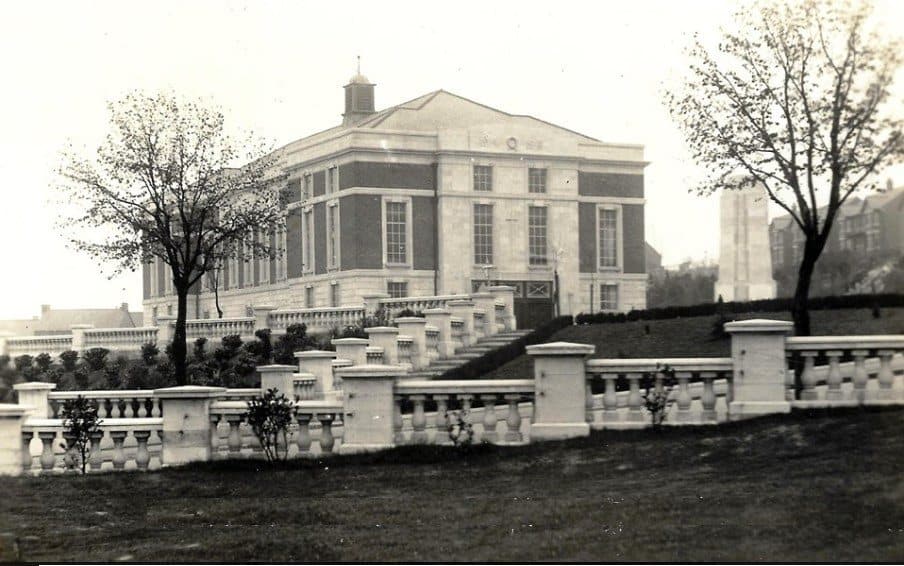
Gladstone Gardens were originally built in 1932, around the same time as the Memorial Hall and Cenotaph on the opposite side of Gladstone Road. Today the Lower Gardens offer a quiet and beautiful spot to relax surrounded by mature trees and scented planting. The Upper Gardens include a play area, outdoor gym, tennis courts and plenty of space to run around!
History
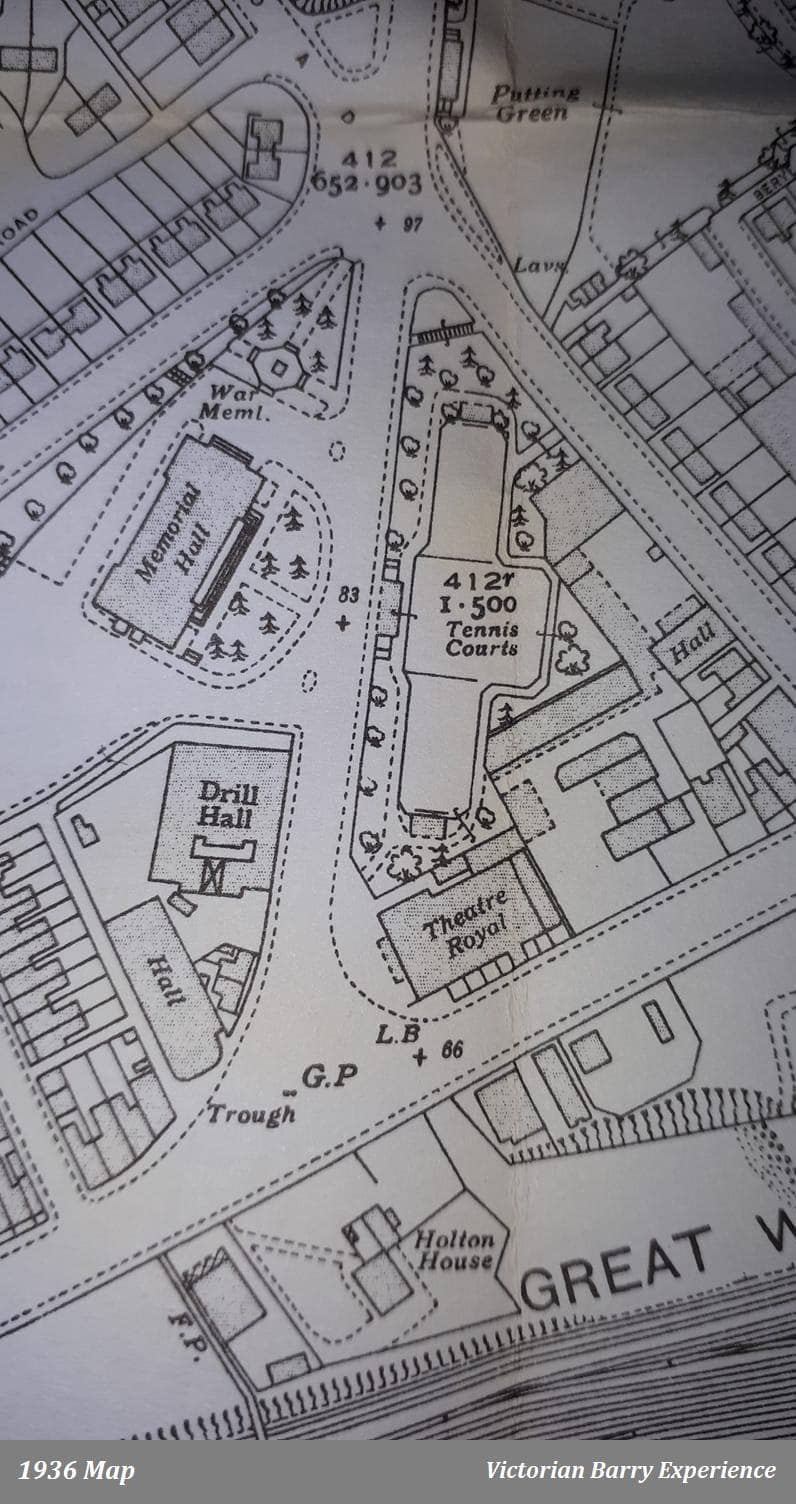
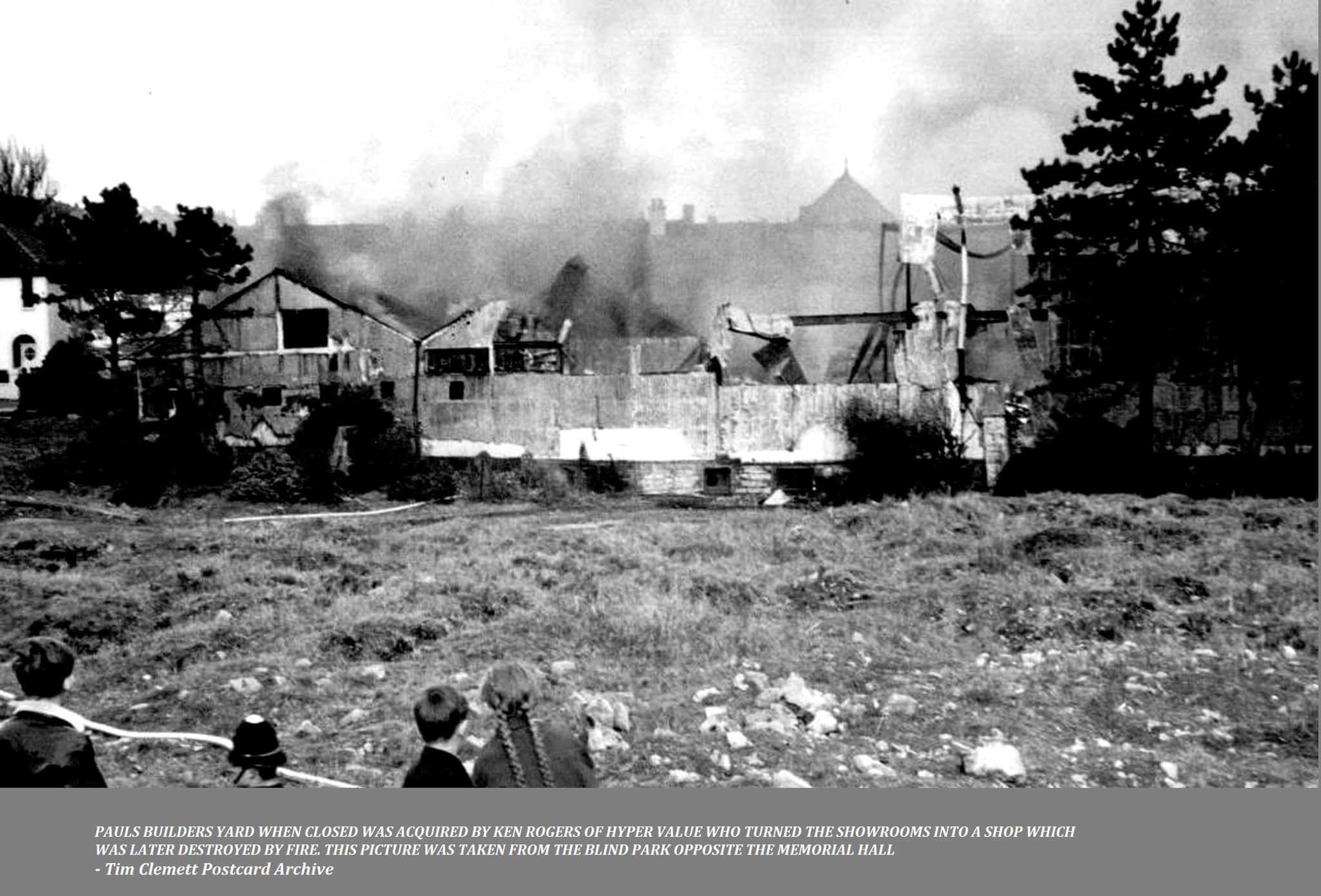
The Lower Gardens were originally laid out as tennis courts. On either end of the tennis courts additional viewing balconies overlooked the courts. One of these was in the north corner of the park, where there are now shallow steps and shaded seating. Around the perimeter of the park were shrubs and flowers with a strong scent. These were selected so that they could be appreciated by the blind. Handrails around the park also included labels in braille. For this reason, the park became known locally as ‘the blind park’.
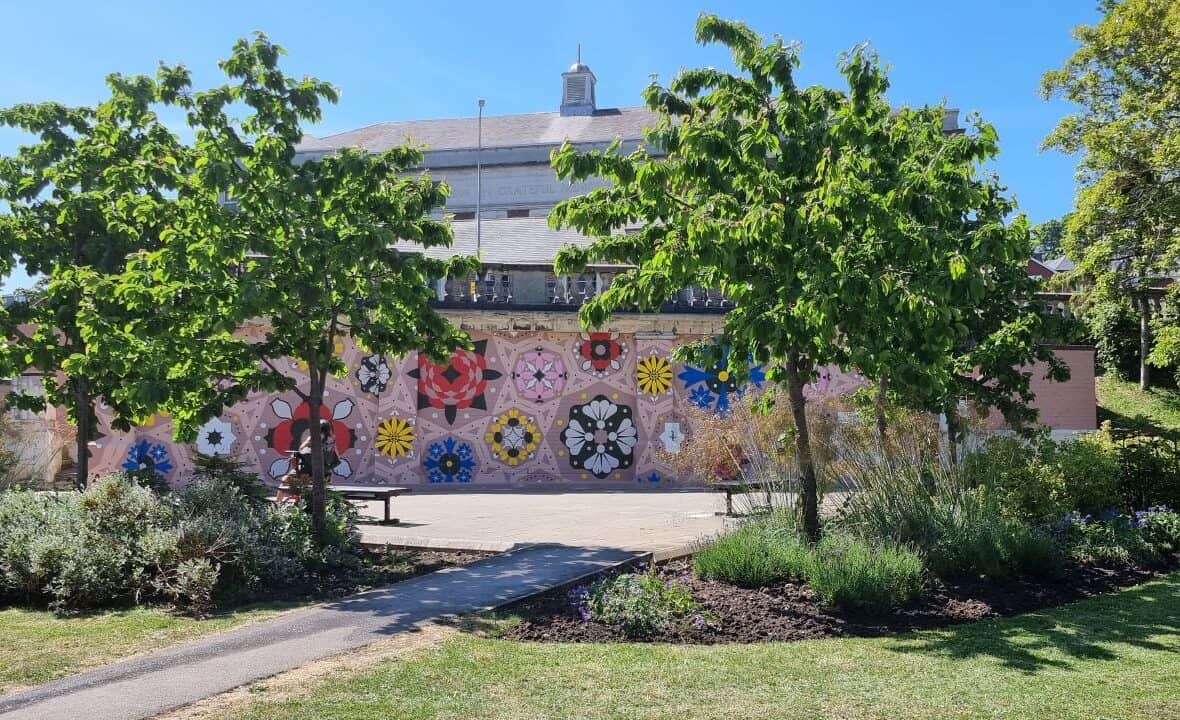
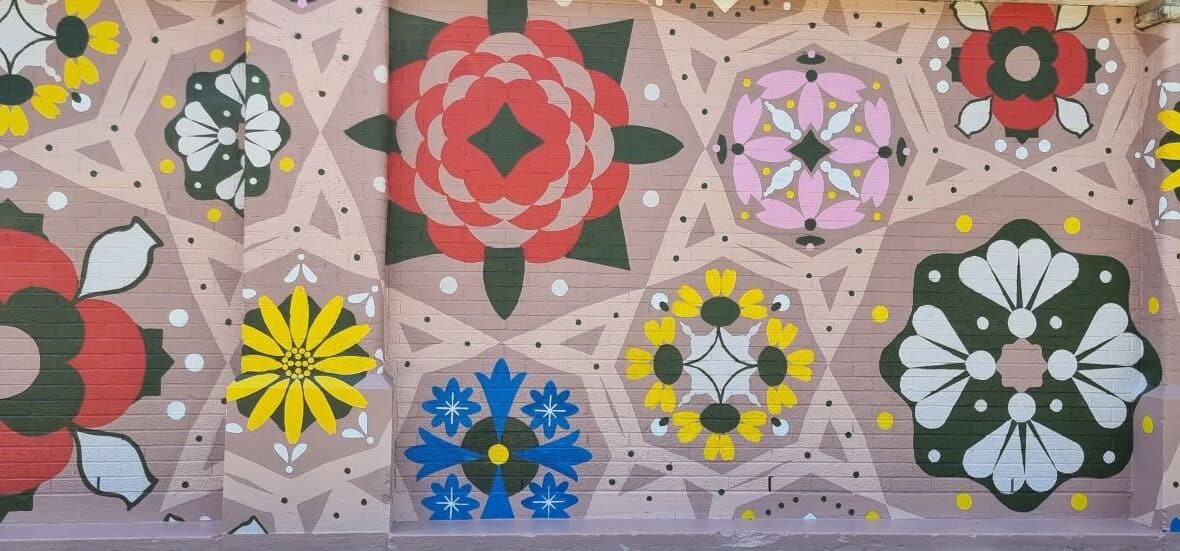
The balcony overlooking the park today originally covered an open, sheltered seating area. Today it is bricked up but features a colourful floral mural.
Older Barry residents still remember the tennis courts but at some point, possibly in the early or mid-1960s, the courts were closed. (The tennis courts appear on maps up until 1960.) Eventually, the tennis courts were removed and replaced with planting and lawns. (New tennis courts were installed in the Upper Gardens.)
The most recent renovation of the garden pays homage to ‘the blind park’ as it features many sensory plants.
Borders
Many bee and butterfly friendly shrubs and flowers grow in the borders – echinacea purpura, geraniums, verbena bonariensis, wild strawberries and Japanese quince. There are also shrubs with berries such as the white, red, and black currants which are popular with the birds! Look out for strongly scented plants such as cat mint, rosemary, lavender, Russian and common sage, oregano, mock orange ‘Manteau d’Hermine’, lilac, and of course roses. If you smell curry as you pass the borders, it’s not someone cooking nearby but the curry plant helichrysum italicum!
In winter, evergreen shrubs and plants provide interest and structure to the border, such as elephant’s ears, green and red phormium ‘Maori Queen’, brachyglottis ‘sunshine’, aromatic santolina rosmarinifolia, fragrant Mexican orange ‘Aztec Pearl’ or semi-evergreen giant grass ‘golden oats’ and heuchera. The Dogwood ‘midwinter fire’ may be deciduous, but its stems come into their own in winter, glowing in fiery shades of red, orange, and yellow!
Wildflower meadow
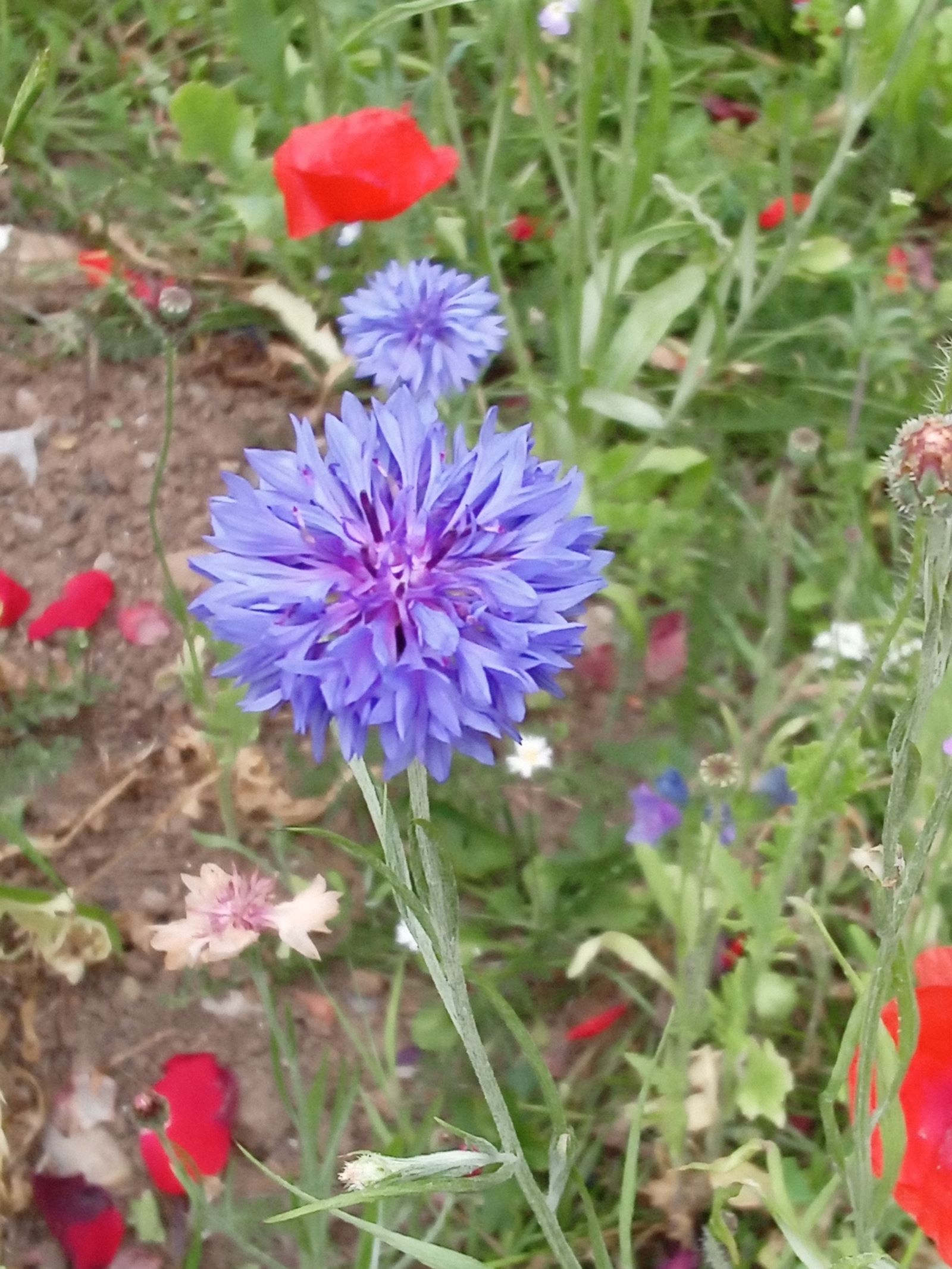
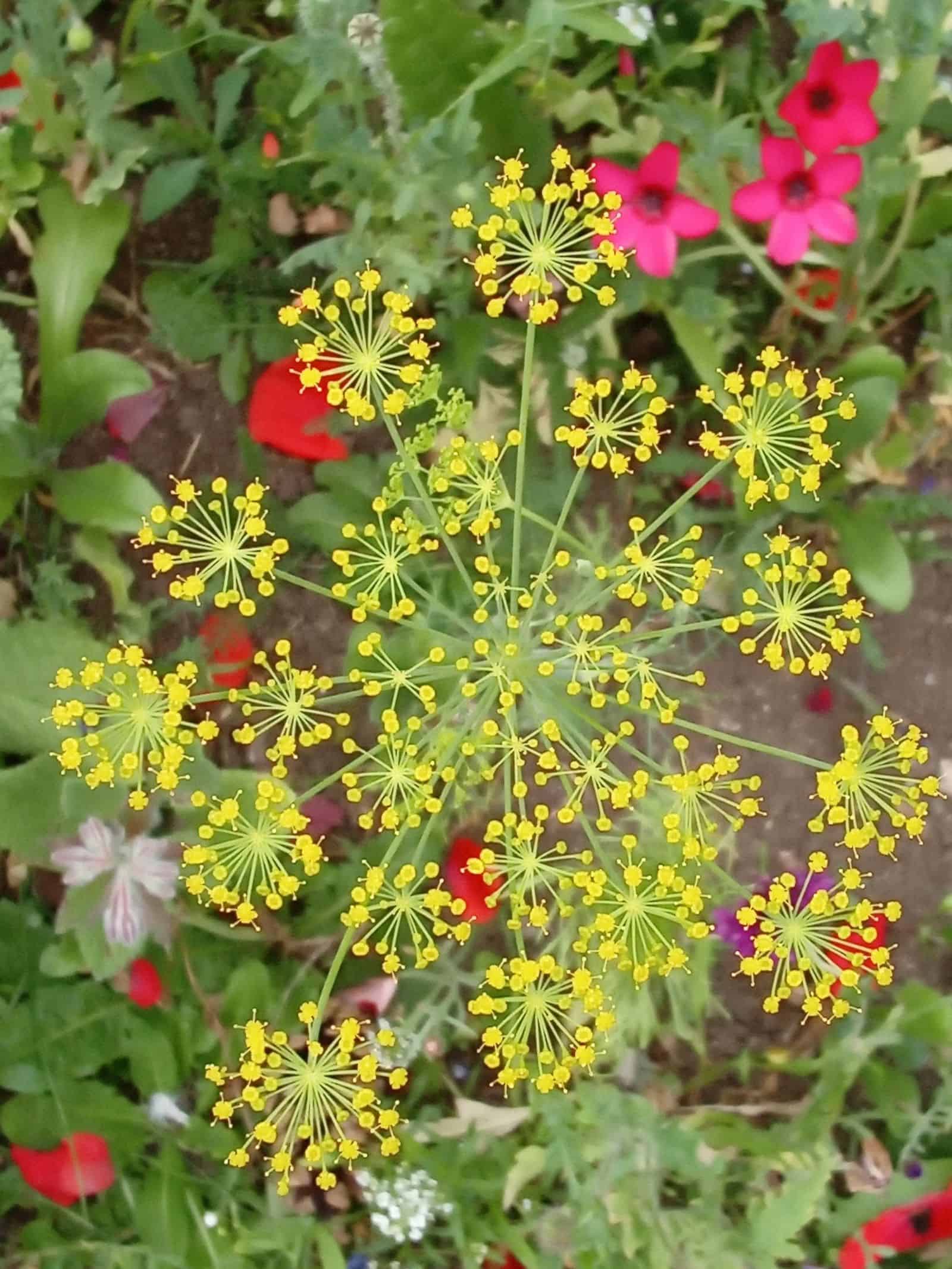
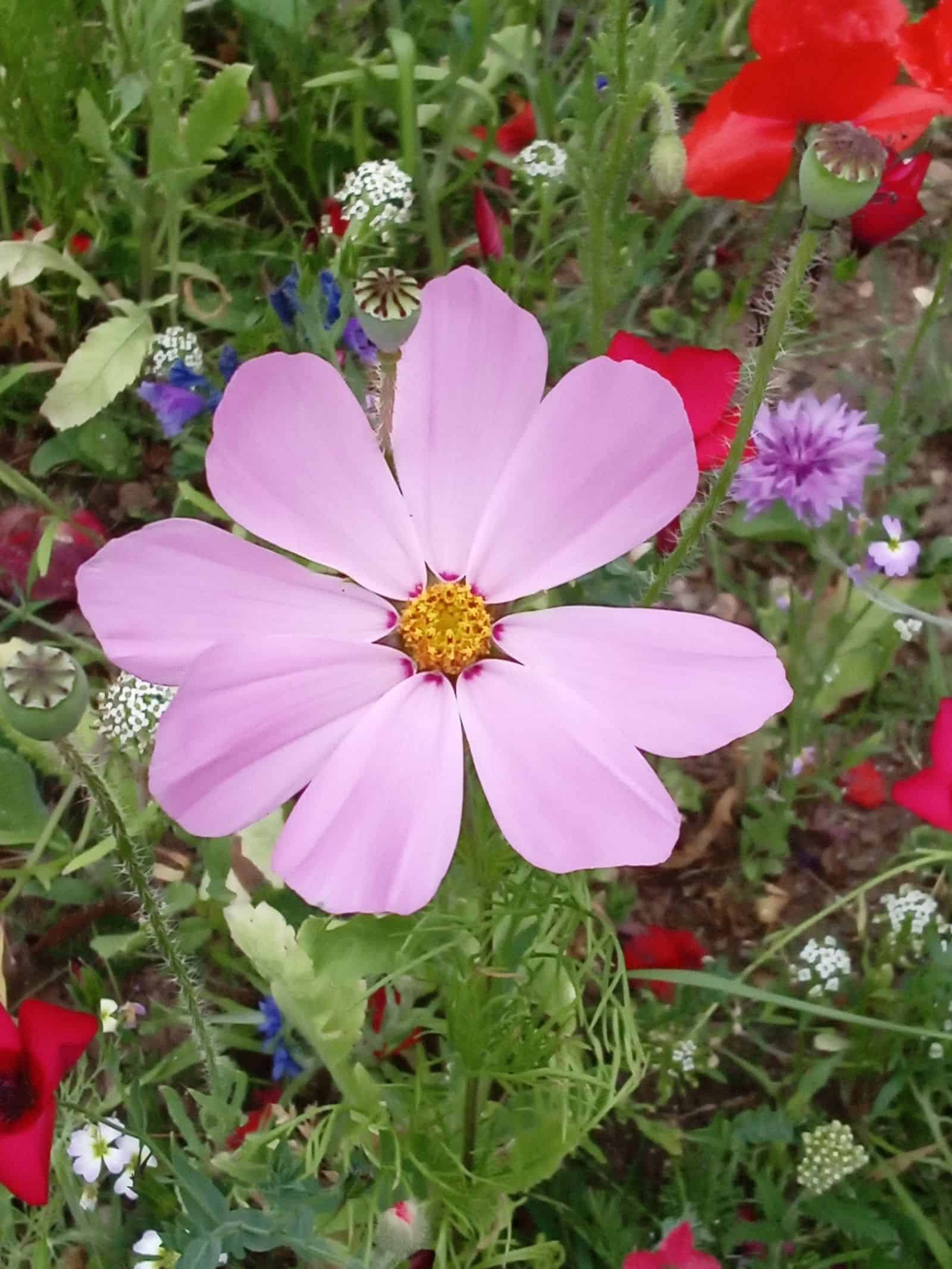
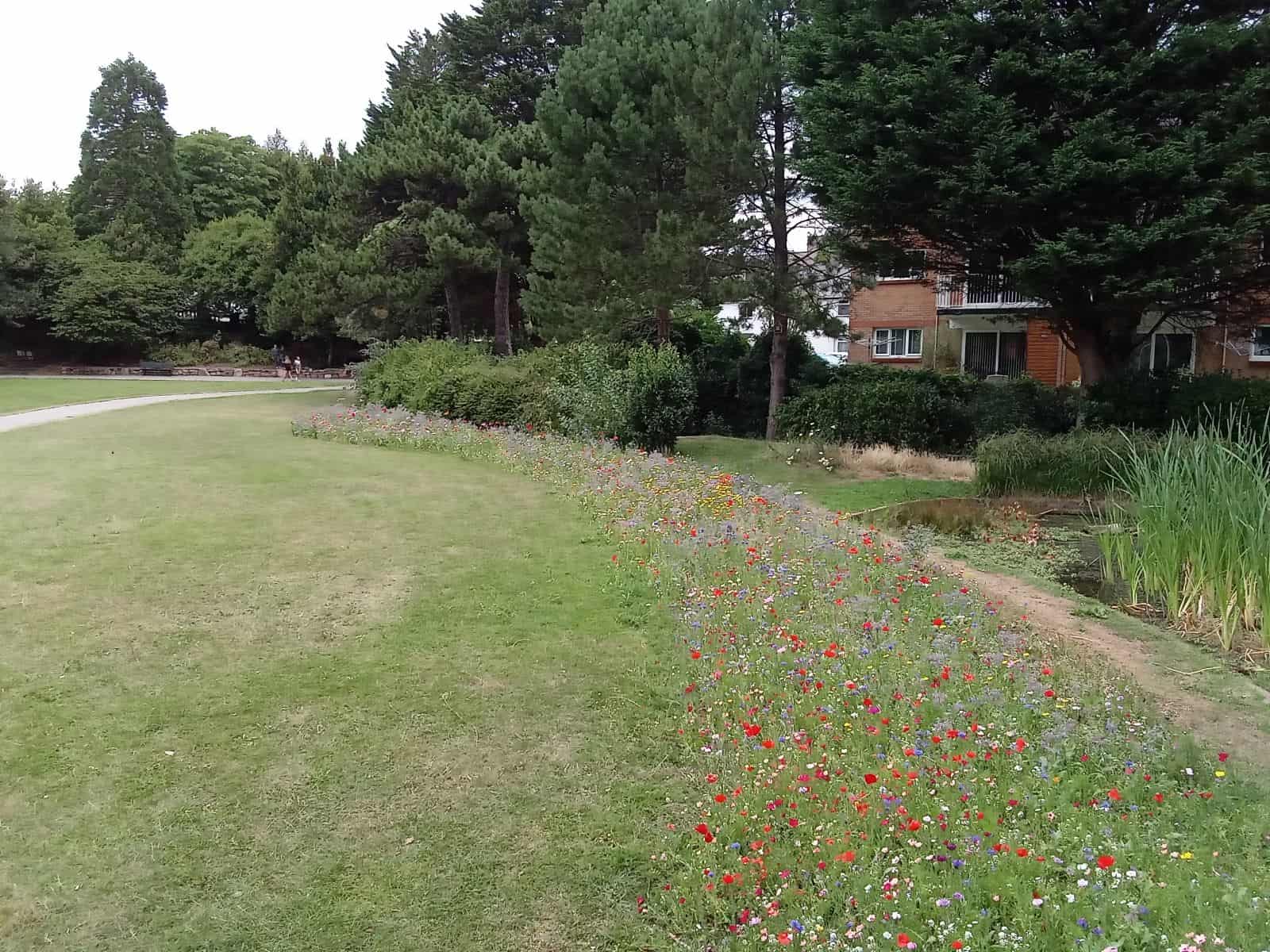
In the summer the meadow bursts with colour – blue cornflowers, red poppies, red campion, yellow marigolds, white and pink sonata cosmos and many more! This is an all-you-can-eat feast for the bees, look out for several varieties busily collecting pollen!
Mature trees
There are fine specimens of mature trees in the garden, including the giant redwood, conifers, pines and cypresses, planted in 1932. Recent additions include cherry trees and acers.
Pond life
In early spring, look for glutinous masses of frog spawn, or strings of toad spawn, often in deeper water. Newts are likely residents of the pond, best seen just after dusk in the early summer by scanning the pond margins with a torch. Since there are bat boxes in the trees above the pond, you might see a bat skimming over the surface at dusk foraging for small flies, such as midges, caddisflies, and mayflies. In winter, frogs hibernate in pond mud or under log piles and newts hibernate underground and among tree roots.
There are two types of bulrushes here – typha minima and typha laxmannii. Their bushy base clumps offer shelter from predators to all types of small animals, including frogs, newts, shrews, toads, and water voles. Also, bulrushes act as a filter, absorbing poisonous metals and toxic micro-organisms, helping to reduce water pollution. Around the water’s edge you will also see marsh marigold, irises, and hostas.
Mural
Commissioned in 2023, the mural depicts stylised flowers in a kaleidoscopic pattern. There’s a repetition of dots throughout – a reference to braille and the garden’s history.
Also in this section

Barry Dock to Town Centre audio heritage trail
Follow the 'twitchy curtains' audio heritage trail and hear the word on the street! Can you tell fact from fiction?
Read More
PhotoBARRYthon 2022
This year's PhotoBarrython event has now taken place. Did you take part?
Read More

Art around the town
From yarn bombing to giant sculptures there are lots of artworks to see around the town.
Read More
The Knap Lake & Gardens
This is the peaceful antidote to the excitement and buzz of Whitmore Bay.
Read More
Whitmore Bay
Barry Island’s greatest treasure is the gleaming, golden sand of its fine beaches.
Read More
Porthkerry Country Park
Porthkerry Country Park includes 220 acres of woodland and meadowland, a pebble beach, and a dramatic Victorian viaduct.
Read More