Pirates & the Old Harbour
Barry Island was once a true island and in the 18th century the coastline of the Bristol Channel was a haven for smugglers and pirates.

The Island was the private domain of the notorious smuggler Thomas Knight, who built fortifications around the shoreline. From there he ran a fleet of heavily-armed smuggling ships, importing spirits and tobacco from the Channel Islands, and soap from Ireland.
Knight is thought to have arrived in Barry in 1783, in a 24 gun Brig called the John O’Combe, quickly making the island his stronghold. At the height of his powers he was reputed to have a force of 60-70 men defending the island from the customs officers. They were a brutal gang and they didn’t hesitate to open fire on any vessels that may prevent them from carrying out their dubious business activities.
Knight’s influence grew rapidly, and within a year or so, the customs authorities had difficulty in recruiting members, since the local population had more respect for Barry’s smuggling king than for the legitimate crown. The crews of the customs house boats evidently went in fear of their lives and often refused to give chase, claiming justifiably that there was no pension scheme for customs men injured in the line of duty. To counter this, a £10 payment was introduced for mariners who lost a hand or foot, and free medical treatment for any injury sustained in the pursuit of smugglers.
Knight was implicated in the heavy seizure of tobacco at Goldcliff in 1784, and some indication of the importance attached to his influence in the area can be gained from the fact that the seized goods were taken to Cardiff under armed guard, at considerable expense. Local people refused to help with the transport, because they were terrified of how Knight would exact his revenge.
He terrorised the island for two years until eventually a concerted effort by the authorities dislodged him. He retreated to Lundy but he was replaced by another smuggler named William Arthur, of Great Highway Farm, Mumbles, once described as ‘the most daring smuggler in Glamorgan during the 18th century’.
Arthur proved as tough a nut to crack as his predecessor, and the local collector of customs estimated that it would require the efforts of 60 dragoons to once more make the island safe.
Thankfully the only smugglers to be found on the island now reside in the Pirate Adventure Golf Course!
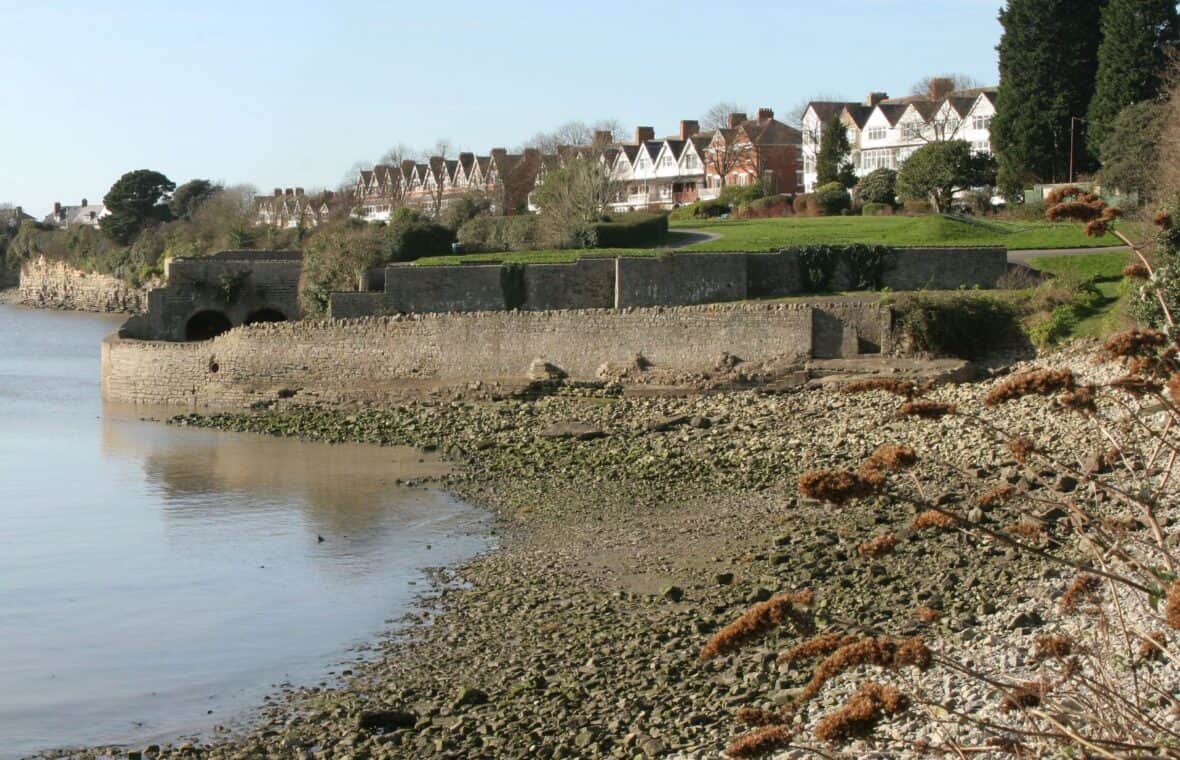
The Old Harbour and Lime Kilns
In the 16th and early 17th centuries this harbour was a flourishing port. Exports of coal, Bridgwater cotton, butter and cheese were shipped all along the Welsh and English sides of the Bristol Channel and as far afield as La Rochelle in western France. Incoming cargoes included honey, salt, wool from Carmarthen and wine from France. During the remainder of the 17th century and throughout the 18th century the sea around Barry was rife with smugglers and pirates and trade was intermittent.
The 19th century, however, saw a boom period in the life of the port. Limestone was exported from Barry to North Devon and Cardigan, and rabbits were shipped weekly to Bristol market.
On the north side of the harbour are the remains of some lime kilns. Lime was easily created by heating crushed limestone in kilns like these, which generally made 25-30 tonnes of lime in a batch. The temperature would need to reach 900 °C. Loading, firing, cooling and unloading the kiln would take about a week.
Also in this section


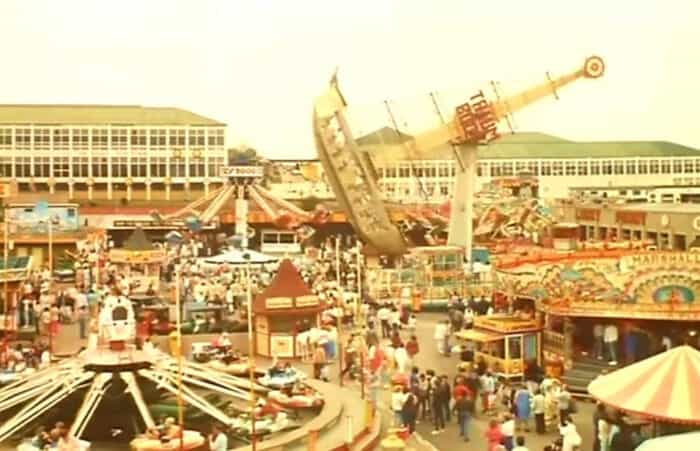
Barry Island – the making of a resort
A potted history of Barry Island that will have you exclaiming "Well I didn't know that!"
Read More

Great Barrians – the Influencers!
Barry produced influential people too - another of its great exports!
Read More
David Davies, Wales’s First Tycoon
David Davies, the man who founded the docks and set Barry apart from the rest.
Read More
Chapels in Barry
The golden age of chapel building in Wales coincided with the country's industrial revolution.
Read More
High Street stories
Footfall on High Street, curious customers, shutters are rising, the busied owners prepare for the day.
Read More
Triassic barry
The coastal area known as the Bendricks is one of the most prolific Upper Triassic dinosaur footprint sites in the UK.
Read More
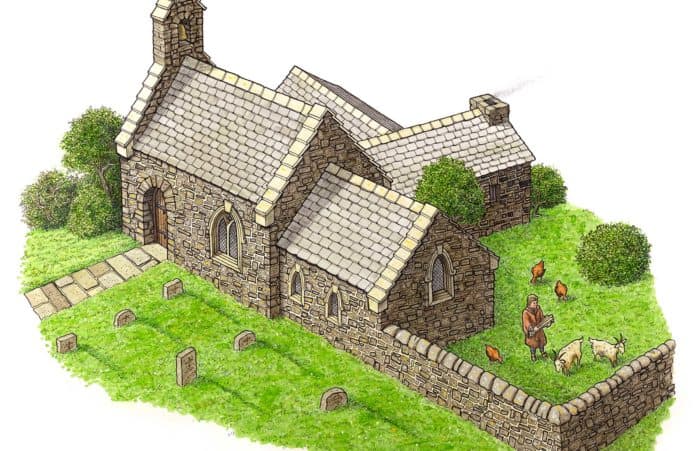
Saint Baruc
The place name Barry Island is believed to be derived from Baruc’s Island, and refers to Saint Baruc’s tragic story.
Read More
The Dock Office
This landmark building stands out on the skyline of Barry, overlooking the docks. It was built between 1897 and 1900 in the Baroque Revival style
Read More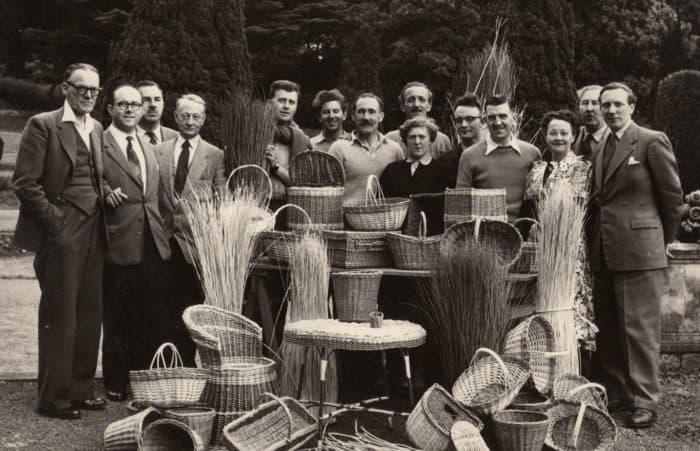
Barry Summer School
During the mid 20th century, The Glamorgan College of Education located in the town, was at the heart of the internationally renowned Barry Summer school.
Read More