David Davies, Wales’s First Tycoon
Born in the 19th Century, Welsh Industrialist and Liberal Politician David Davies is still recognised today as an integral part of Barry’s growth and development.
You may have seen his statue standing proudly outside the Dock Office, holding the docks commission which began Barry’s industrialisation. Or you may have heard his name brought up in conversation regarding the railway connection we all travel on. We have a lot to thank him for.
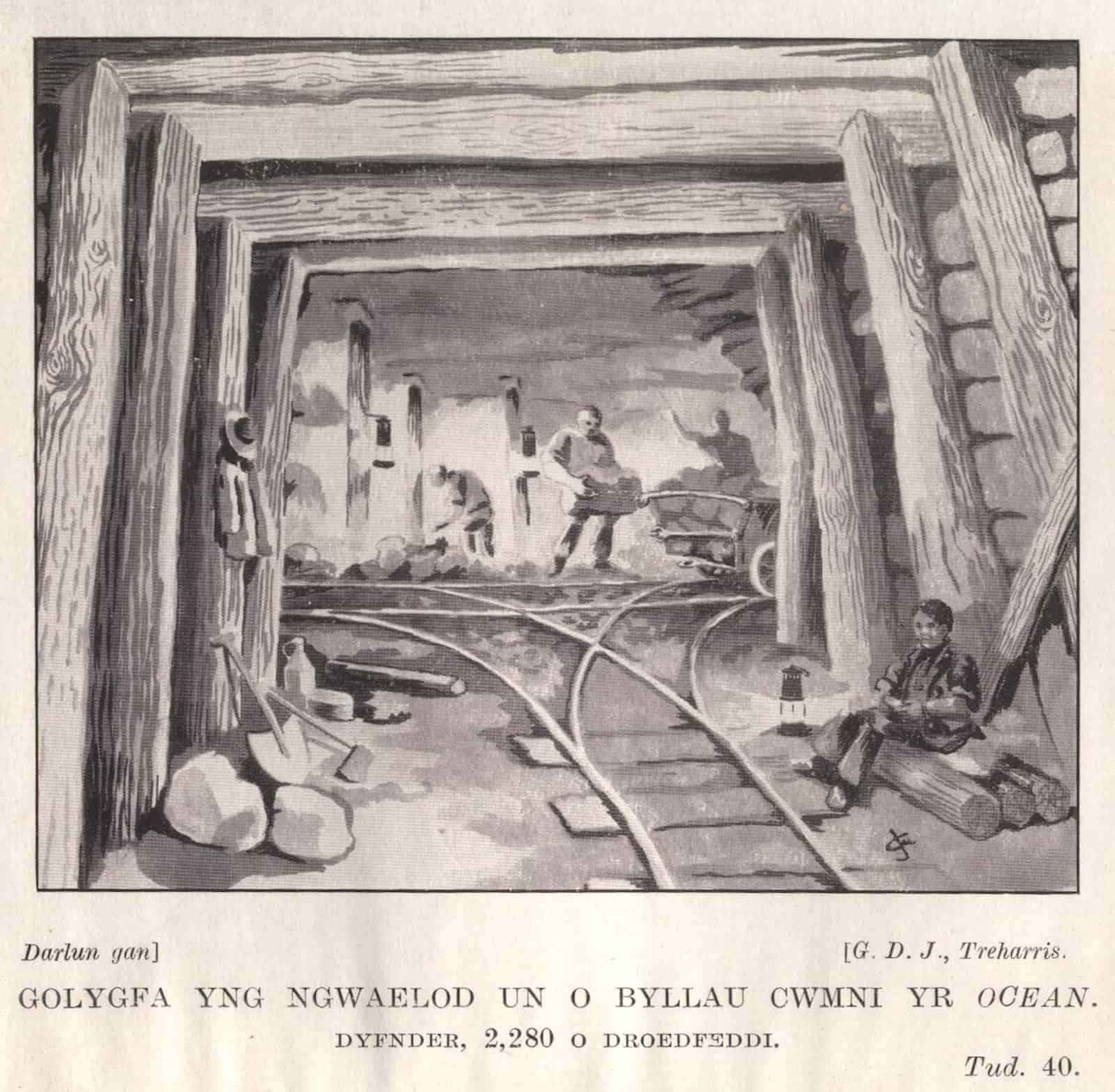
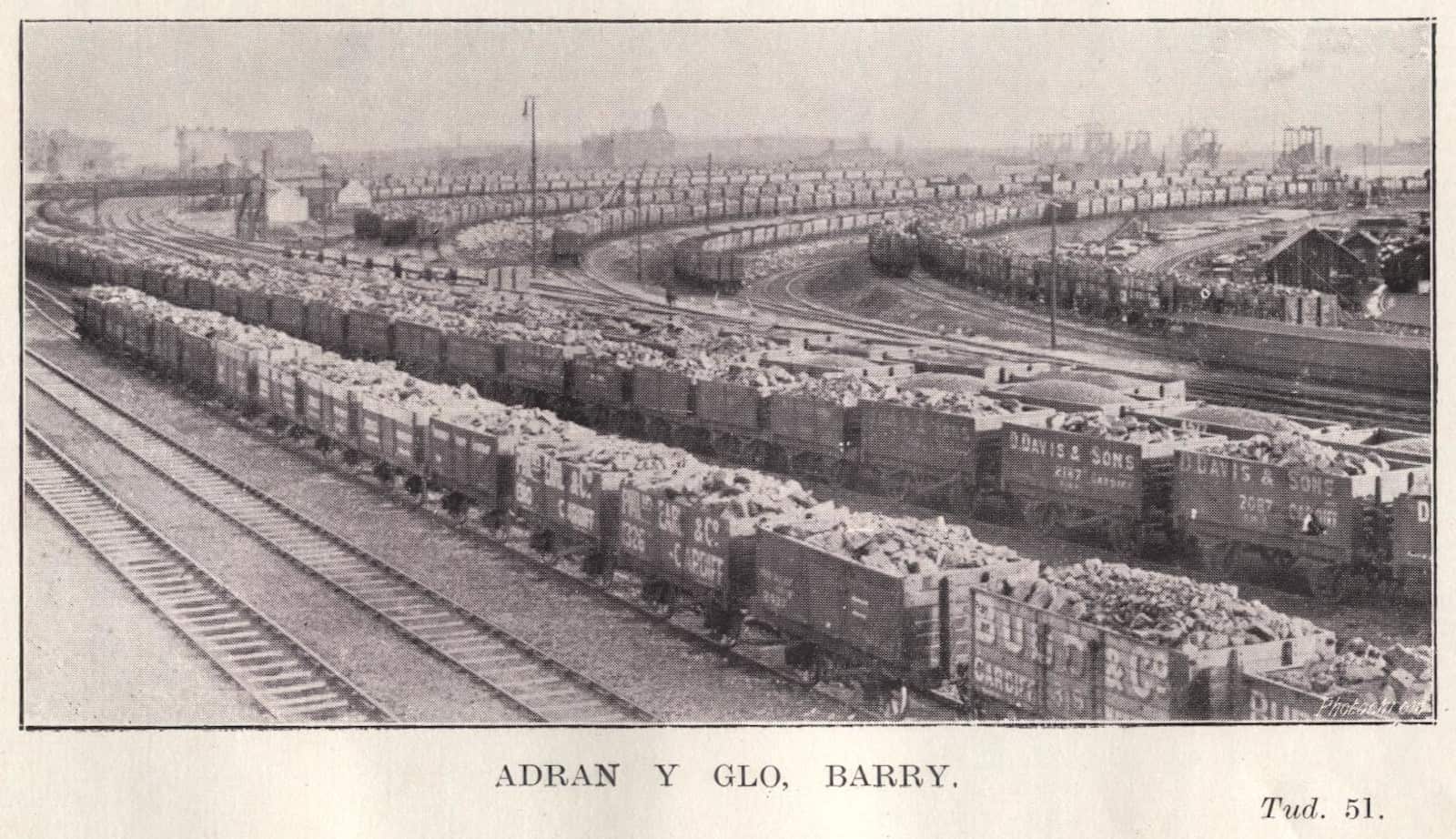
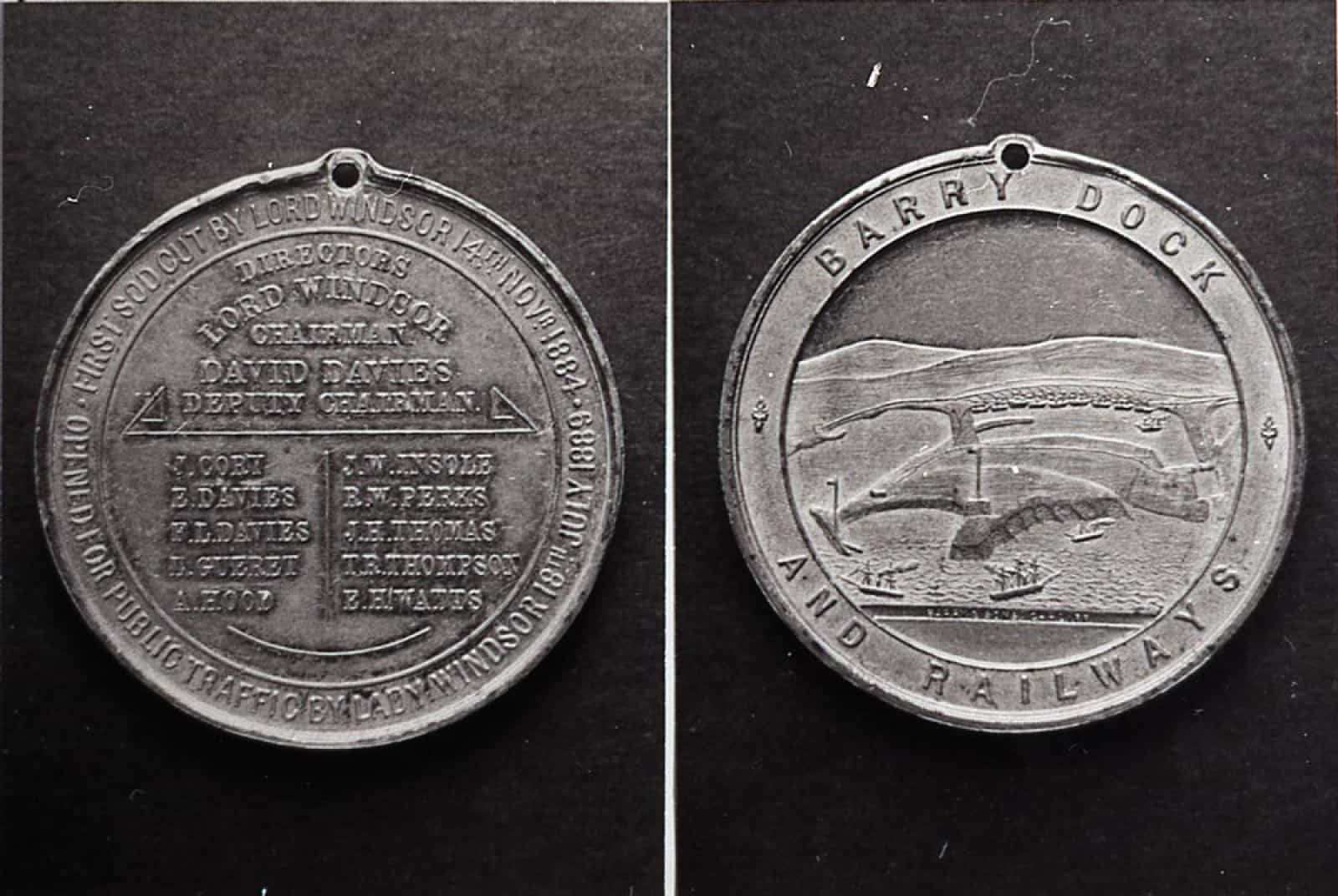
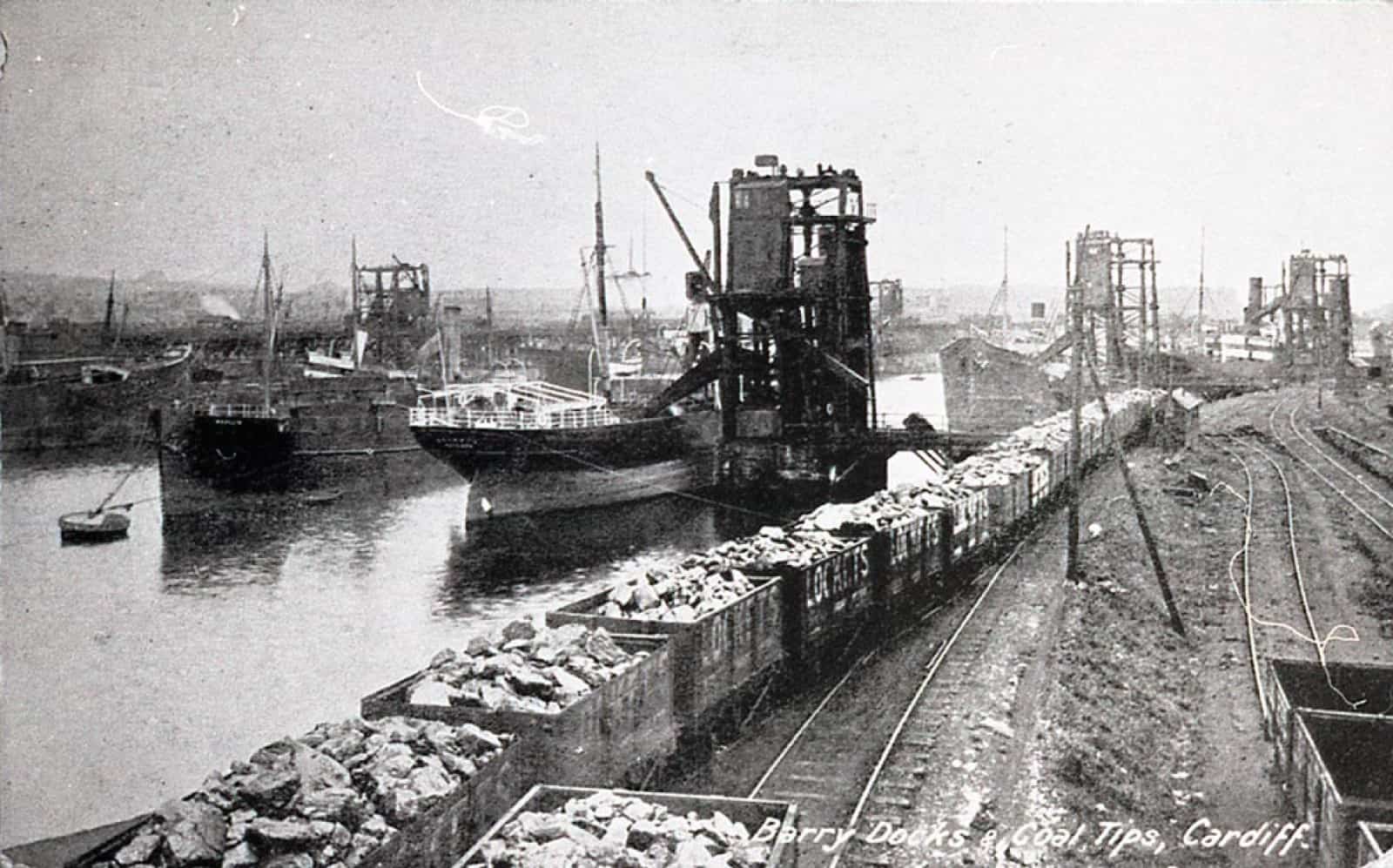
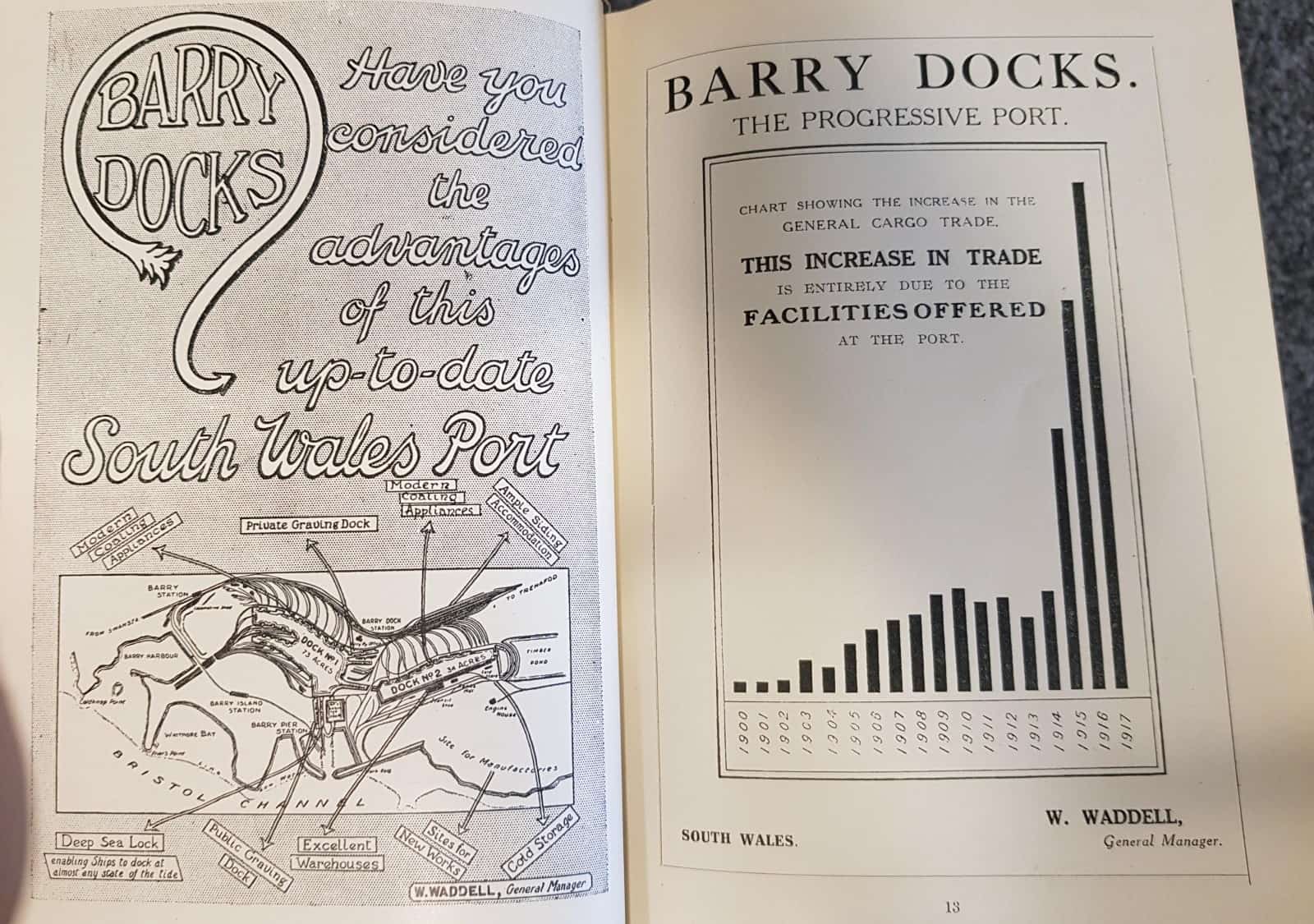
The growth of the coal industry and collieries during the 1880’s was huge and David Davies found himself on the front line in his role as politician and industrialist. Bute Docks, Cardiff was running at full capacity, the railway struggled to cope with the traffic of the industry, but in this Davies saw an opportunity. He proposed a plan to build new docks and connect Barry through rail, constructing a new connection from the Rhondda. It took time for the plans to be approved, nearly two years between November 1882 and August 1884. It was a long and expensive parliamentary process costing £70,000 (over £9 million in today’s money!) But by 1889 Dock no.1 was completed.
David Davies died in 1890, a year after his biggest achievement which allowed the coal industry to further expand. Ocean Coal Company Ltd. at this time was the largest and most profitable coal company distributing globally.
Barry Docks was described by Kenneth Morgan, Welsh historian and Broadcaster, as “the crowning triumph” in Davies’ career dedicated to his home nation.

-
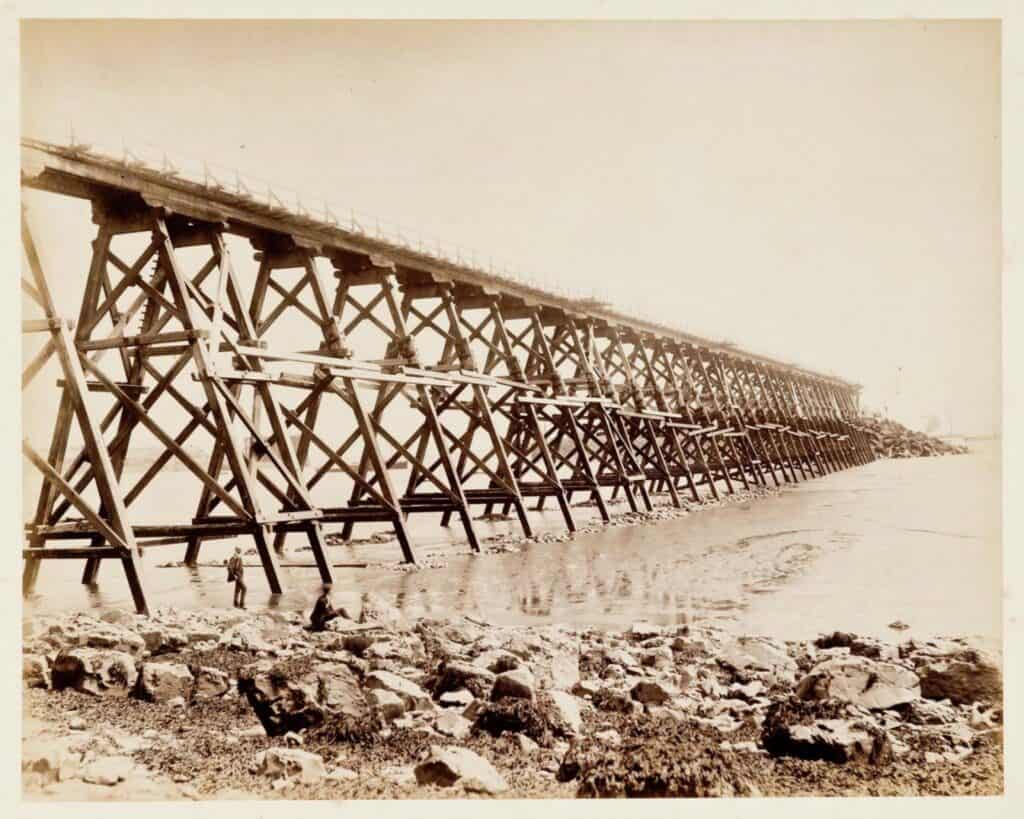
Construction of Barry No. 1 Dock. View of a pier used for tipping stone. -
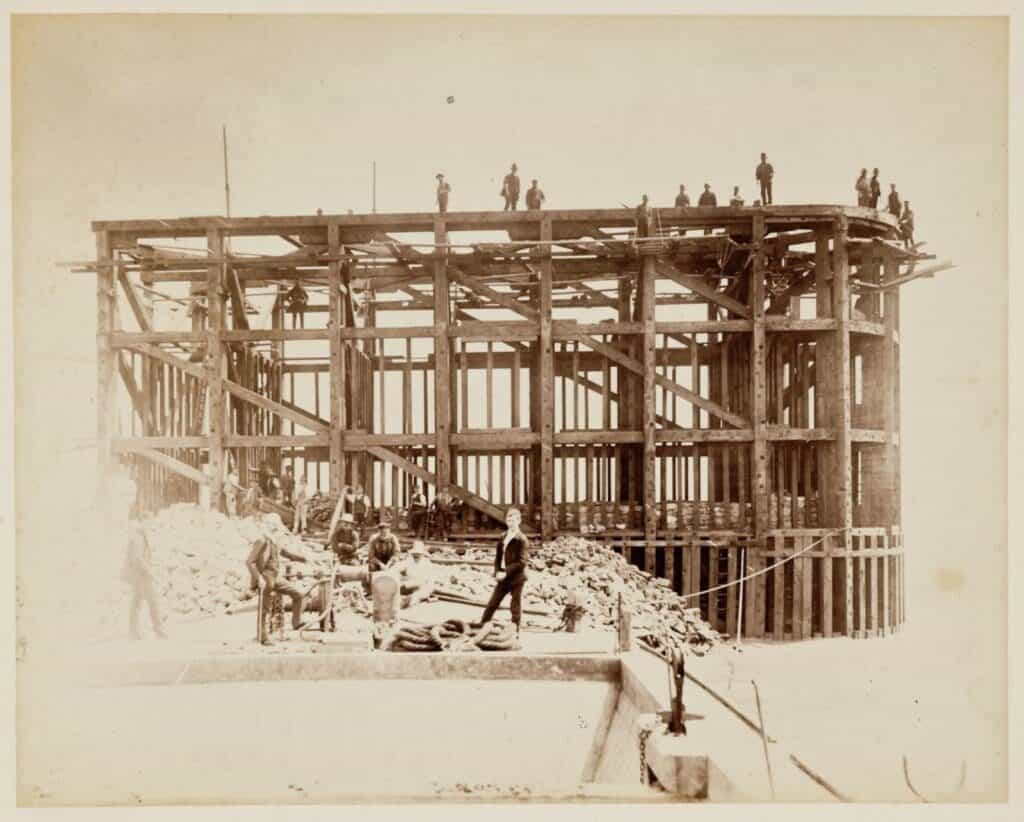
Construction of what is believed to be a breakwater. -
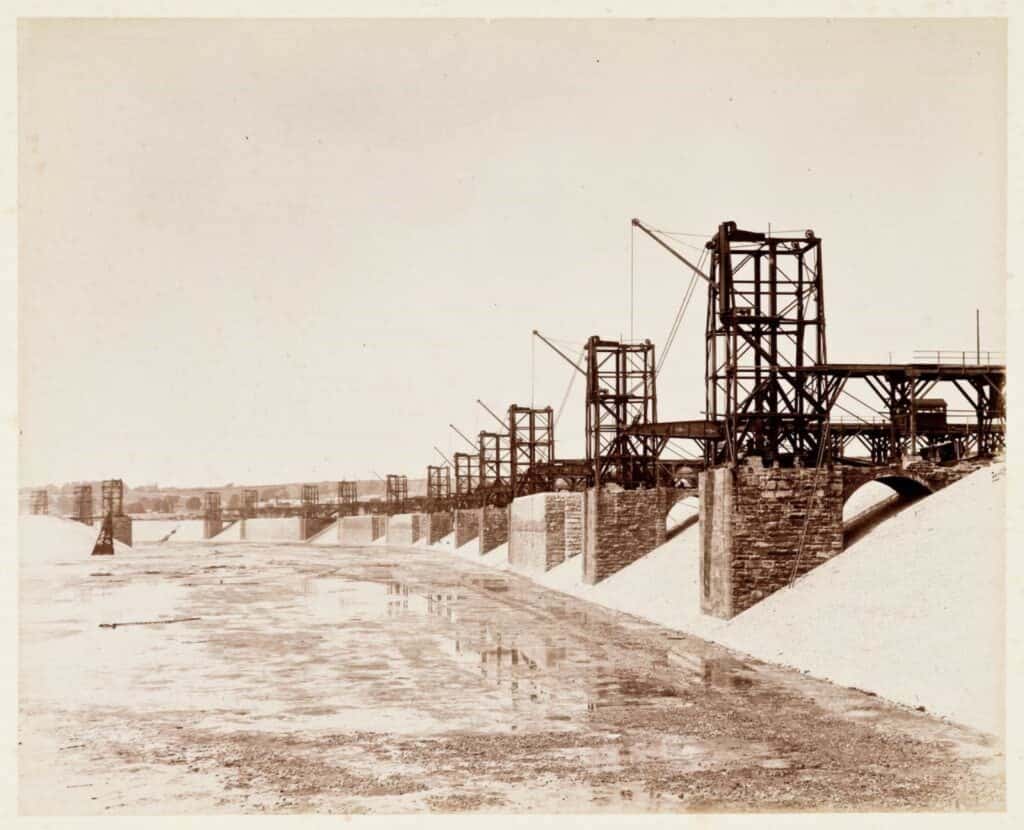
Coal hoists on the north side of No. 1 Dock. -
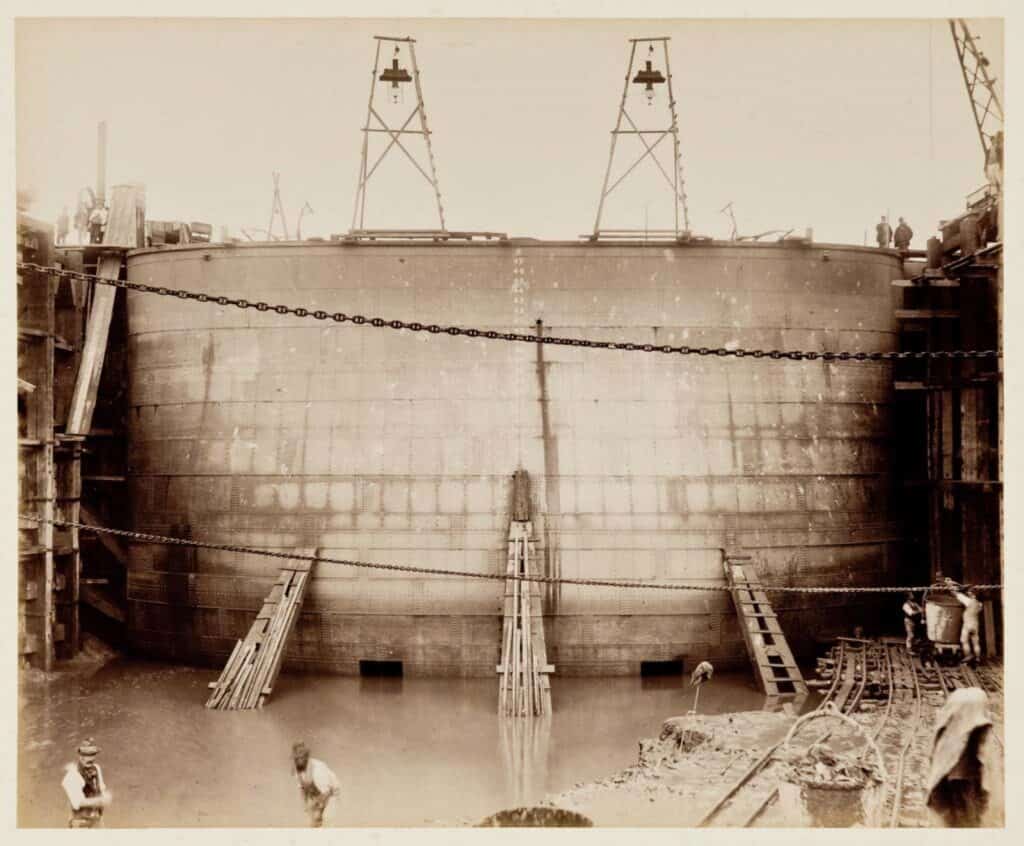
A coffer dam being used during the fitting of the dock gates. -
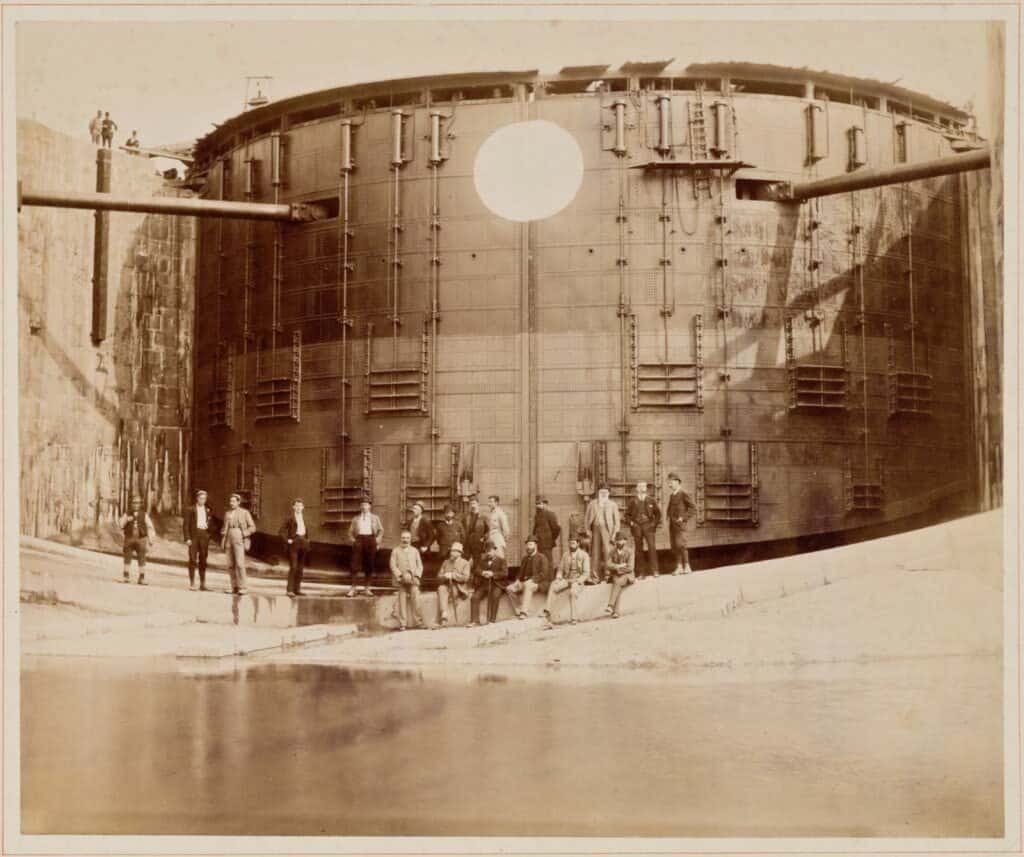
Construction of the main dock gates at Barry No. 1 Dock. -
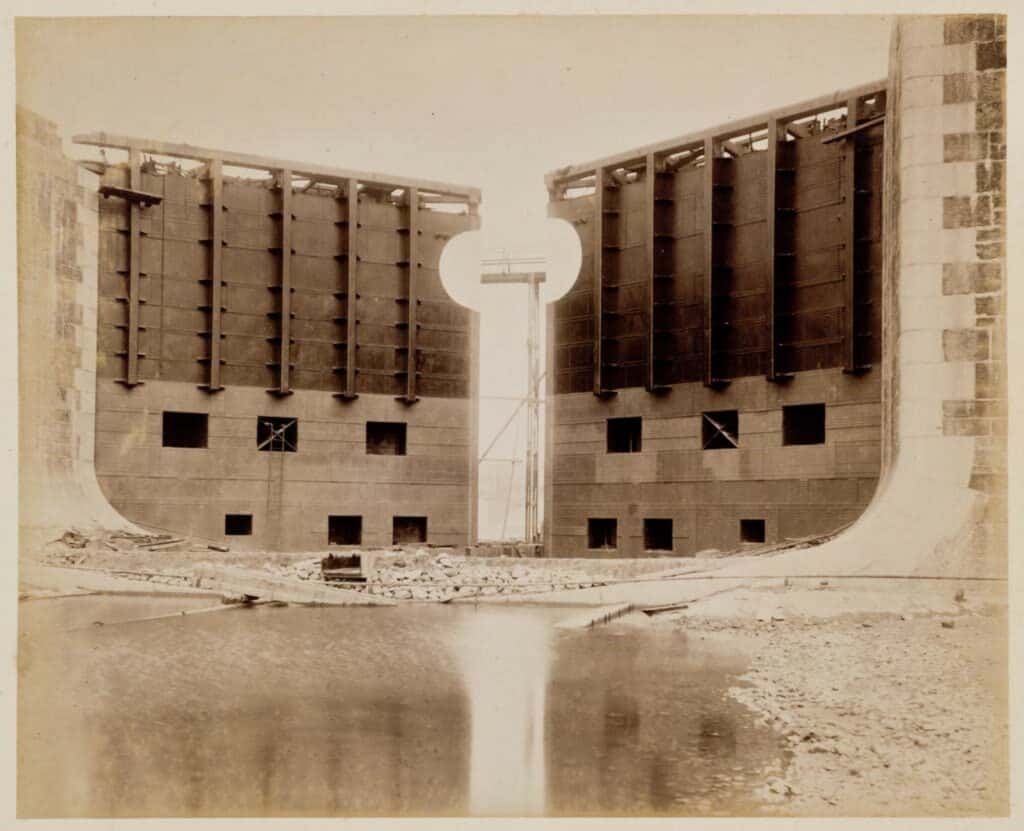
The fitting of a pair of dock gates. -
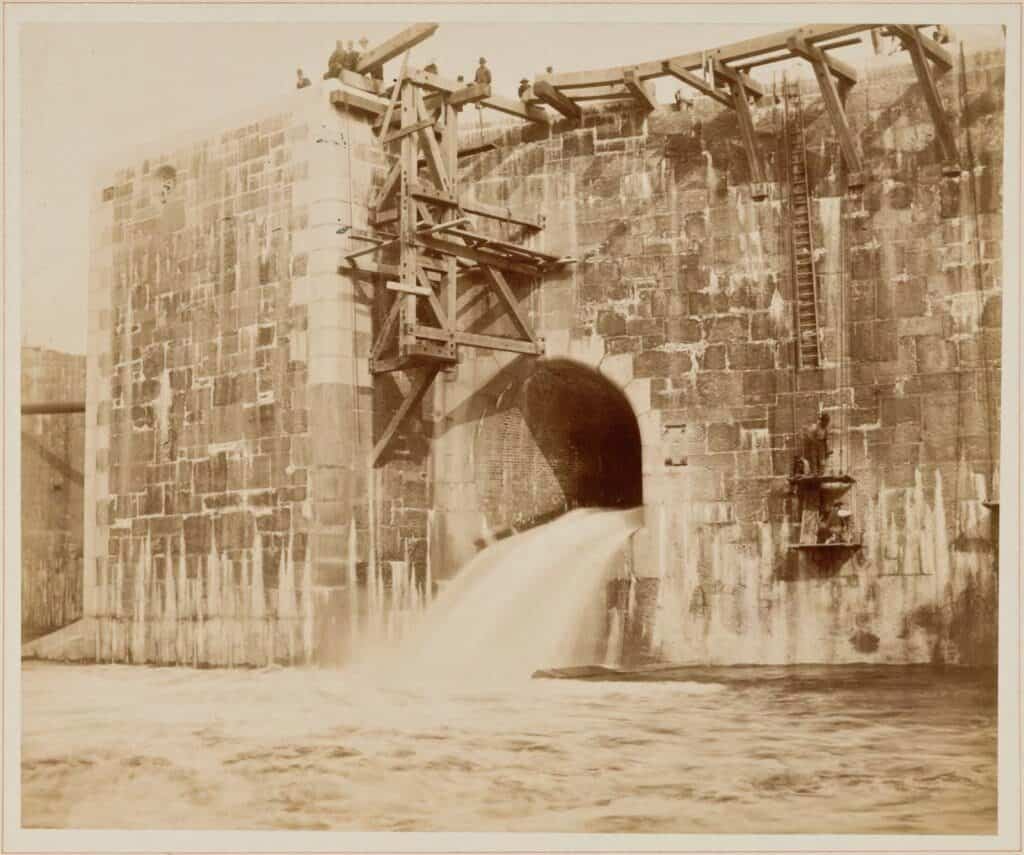
Letting water into the dock. -
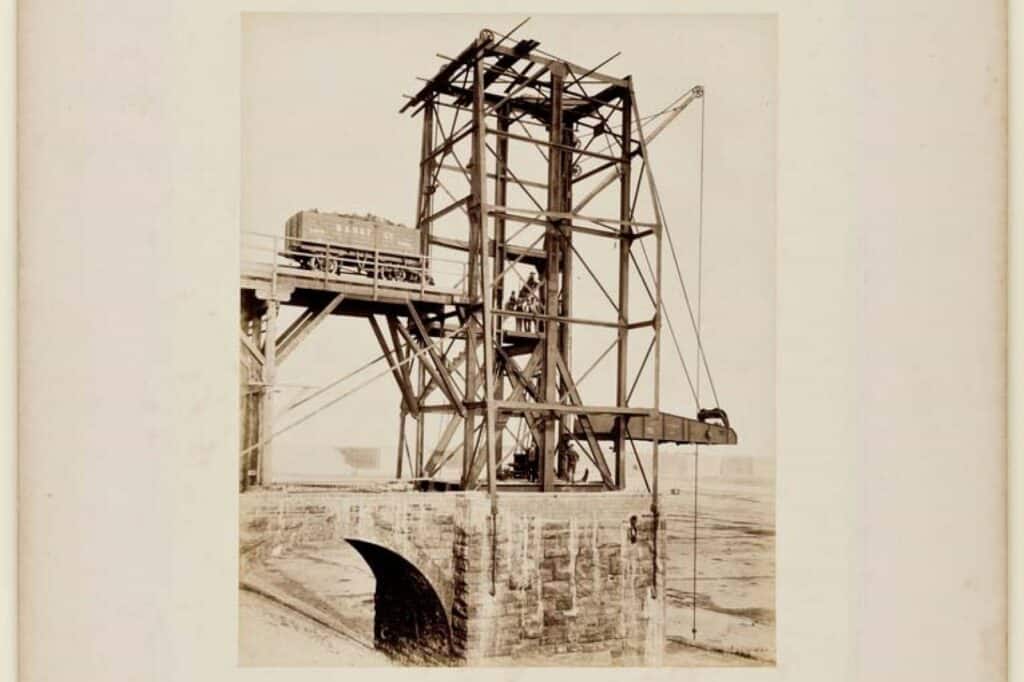
A nearly completed coal hoist. The full "Barry Co." coal wagon is probably there for advanced publicity purposes.

Information
Following in his footsteps
David Davies was survived by his son Edward Davies who continued to work with the Ocean Coal Company, and his grandson David Davies (pictured), who became Baron Davies of Llandinam.
David Davies was a significant philanthropist, donating many millions in today’s money to local and national causes such as the King Edward VII Welsh National Memorial, the Welsh Temple of Peace in Cardiff, the Memorial Hall (now Memo Arts Centre) in Barry, and Dinam Hall in Barry, to name just a few.
Neither lived to reach old age; Edward died aged 45 soon after a mental breakdown, and David died from lung cancer aged 64.
Also in this section


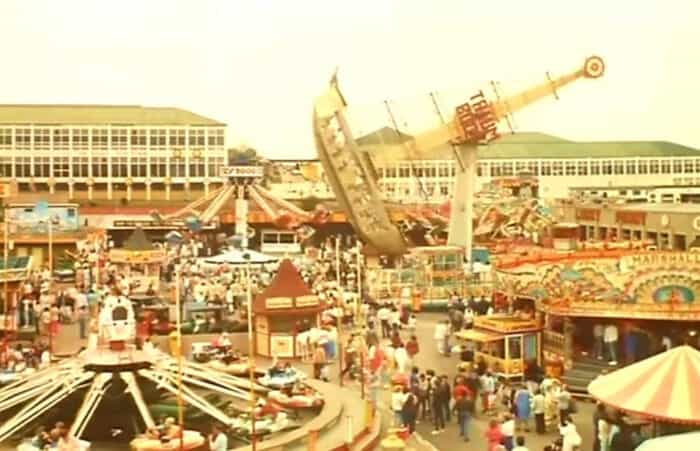
Barry Island – the making of a resort
A potted history of Barry Island that will have you exclaiming "Well I didn't know that!"
Read More
Pirates & the Old Harbour
Barry Island's pirates in the days when it was still a true island.
Read More

Great Barrians – the Influencers!
Barry produced influential people too - another of its great exports!
Read More
Chapels in Barry
The golden age of chapel building in Wales coincided with the country's industrial revolution.
Read More
High Street stories
Footfall on High Street, curious customers, shutters are rising, the busied owners prepare for the day.
Read More
Triassic barry
The coastal area known as the Bendricks is one of the most prolific Upper Triassic dinosaur footprint sites in the UK.
Read More
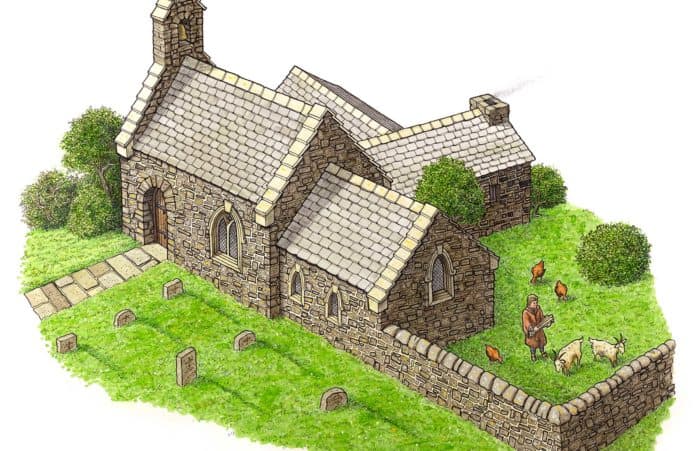
Saint Baruc
The place name Barry Island is believed to be derived from Baruc’s Island, and refers to Saint Baruc’s tragic story.
Read More
The Dock Office
This landmark building stands out on the skyline of Barry, overlooking the docks. It was built between 1897 and 1900 in the Baroque Revival style
Read More
Barry Summer School
During the mid 20th century, The Glamorgan College of Education located in the town, was at the heart of the internationally renowned Barry Summer school.
Read More