The Dock Office
The Dock Office is a landmark building standing proud on the skyline of Barry, overlooking the docks. It was built between 1897 and 1900 in the Baroque Revival style as the General Offices of the Barry Dock and Railway Company, whose staff had been working in temporary cabins.
Did you know that the Dock Office is a calendar building? This means it was designed around the theme of the calendar. Watch the animation below to find out more.
‘The Shipping World’ reported in 1897,
“On the ground floor will be the offices of the General Manager, Traffic Manager, Assistant Manager, Collector of Clerks, with a fine entrance hall, corridors and massive staircase leading to the upper portion of the building. On the 1st floor will be the quarters of the Resident Engineer and Secretary with their respective staffs, Boardroom, accountants and auditors rooms and drawing office with apartments for inspectors and clerks.”
It was an innovative building also, with a wood and mirror panelled lift. Interestingly, only Senior Management were allowed to use the grand staircase up until the 1960s; all other staff had to use the lift or smaller ‘back’ staircase.

A postcard of the Dock Office when it housed the Barry Railway & Docks Company.
It was a luxurious building, costing £59,000, with marble fireplaces, teak panelling and an impressive clock tower (costing an additional £6,000). The architect, Arthur E Bell of Cardiff and Barry, designed it around a calendar theme, and it was built by James Allen & Sons of Cardiff.
In 1941 the docks were bombed and the blast smashed the front elevation windows of the building.
In 1984 an electrical fault caused a fire which virtually destroyed the roof and 2nd floor. But when the clock mechanism collapsed, it was held by the patented Dawney ceiling which saved the building. Happily, the original makers of the clock, William Potts of Leeds, were able to make an exact replica apart from one change – the clock is now electronic and does not need winding!
Next to the side entrance is a plaque commemorating employees of the Barry Railway who died in the First World War. More details here.

Information
David Davies by Alfred Gilbert RA
Alfred Gilbert was one of the top sculptors of his day, commissioned to make a statue of Queen Victoria and numerous memorials for the aristocracy. He studied in Paris, Rome and Florence and was also a goldsmith and experimented with metals. His sculpture of Eros at Piccadilly Circus, London, is one of the first statues to be cast in aluminium.
Gilbert was part of a movement called the New Sculpture – a group of British sculptors at the end of the 19th century who wanted to depict the human body with greater naturalism, to create dynamic and vibrant sculptures. Look at Davies’s foot coming over the ledge, as if he’s walking towards us having just pulled open the plans for the Docks. Gilbert does not portray Davies standing in a stiff, self-important pose, but as an active, hard-working man.
Barry residents paid £1200 (about £164,000 today) for this commission.
Also in this section


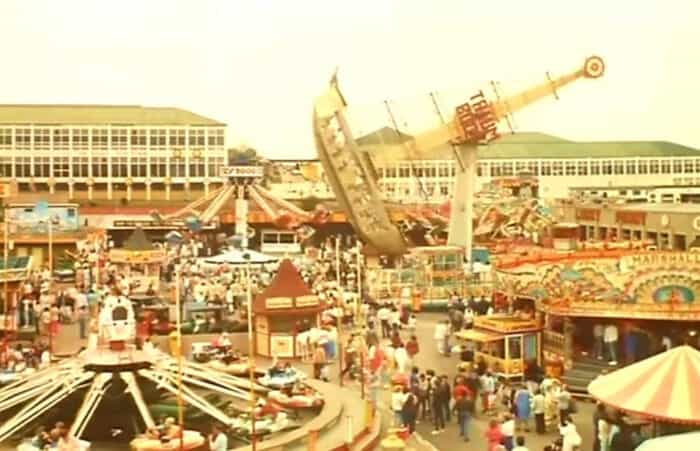
Barry Island – the making of a resort
A potted history of Barry Island that will have you exclaiming "Well I didn't know that!"
Read More
Pirates & the Old Harbour
Barry Island's pirates in the days when it was still a true island.
Read More

Great Barrians – the Influencers!
Barry produced influential people too - another of its great exports!
Read More
David Davies, Wales’s First Tycoon
David Davies, the man who founded the docks and set Barry apart from the rest.
Read More
Chapels in Barry
The golden age of chapel building in Wales coincided with the country's industrial revolution.
Read More
High Street stories
Footfall on High Street, curious customers, shutters are rising, the busied owners prepare for the day.
Read More
Triassic barry
The coastal area known as the Bendricks is one of the most prolific Upper Triassic dinosaur footprint sites in the UK.
Read More
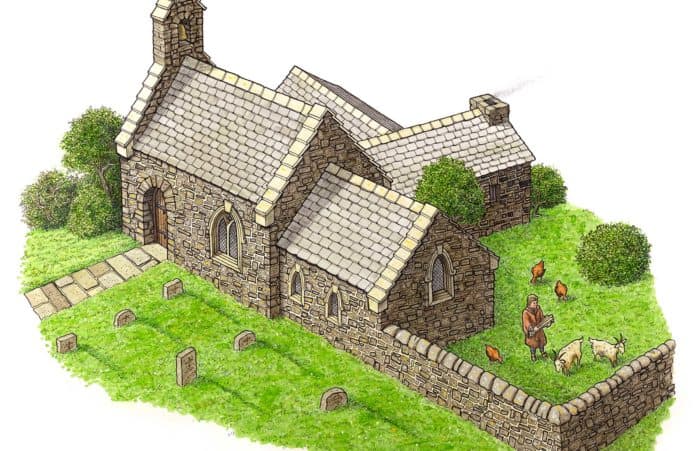
Saint Baruc
The place name Barry Island is believed to be derived from Baruc’s Island, and refers to Saint Baruc’s tragic story.
Read More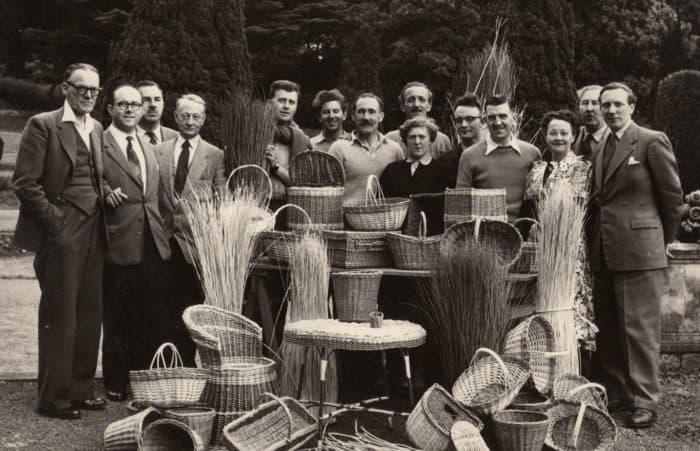
Barry Summer School
During the mid 20th century, The Glamorgan College of Education located in the town, was at the heart of the internationally renowned Barry Summer school.
Read More