Medieval Cadoxton
Cadoxton takes its name from St Cadocs church, the original of which may have been founded by the saint himself. Cadoxton Court, and its Dovecote – the only original building remaining – was built in the time of the Magna Carta, and laid waste by followers of Owain Glyndwr. Cadoxton is an intriguing glimpse through a window in time…


Originally a stone’s throw from the high tide mark of the Bristol Channel, Cadoxton as a medieval village was surrounded by agricultural land, and consisted of a handful of farms, all owned as part of larger manorial lands
Cadoxton was originally a larger and more important settlement than Barry, its much smaller neighbour. At that time, Barry was just a cluster of agricultural working family homes, and along with Cadoxton and Merthyr Dyfan formed part of a larger managed area, owned and handed down through aristocratic families as far back as the Norman conquest, and further.
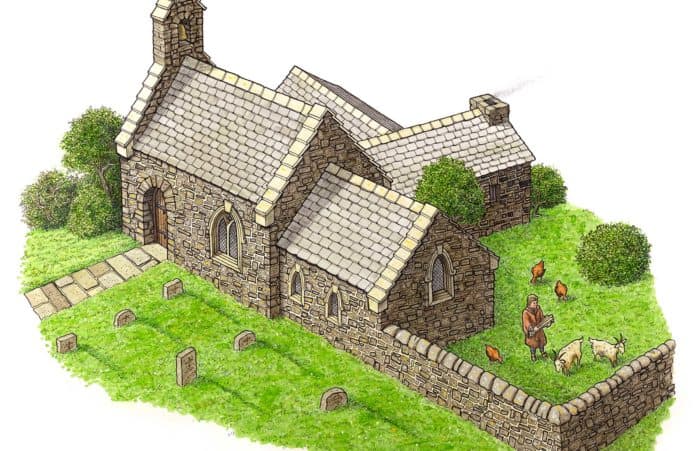
St Cadoc’s Church, or ‘the old village church’ as it’s known today, is of Norman construction in its present form, built around 1200AD, but stands on the grounds of an older site, believed to date back as far as 800AD.
Cadoxton Court, built high on bedrock rising above surrounding moors and farmland, was built for the ruling Lords of Cadoxton, to deal with local land ownership affairs and local civil matters. Cadoxton Court Dovecote is the only remaining building from the original walled court complex, built specifically to provide roosting and nesting for birds, and thus providing a plentiful supply of eggs, meat and feathers for the court.
Watch this film to see a guided tour of the Hidden History of Cadoxton organised by Valeways. A Cadoxton walking leaflet is also available which follows this route for anyone who would like a self-guided walk.
Also in this section


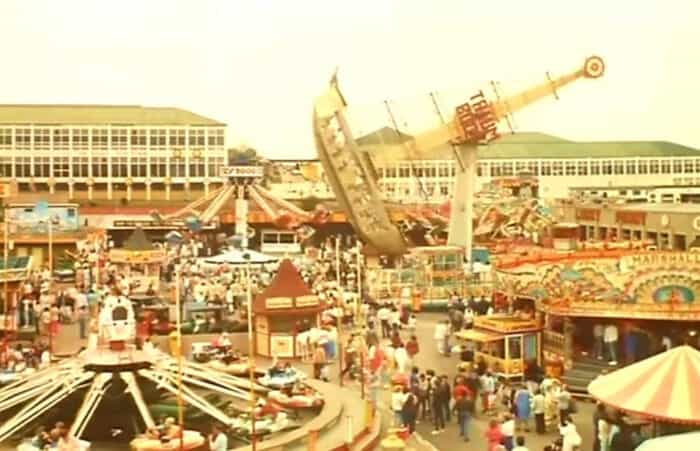
Barry Island – the making of a resort
A potted history of Barry Island that will have you exclaiming "Well I didn't know that!"
Read More
Pirates & the Old Harbour
Barry Island's pirates in the days when it was still a true island.
Read More

Great Barrians – the Influencers!
Barry produced influential people too - another of its great exports!
Read More
David Davies, Wales’s First Tycoon
David Davies, the man who founded the docks and set Barry apart from the rest.
Read More
Chapels in Barry
The golden age of chapel building in Wales coincided with the country's industrial revolution.
Read More
High Street stories
Footfall on High Street, curious customers, shutters are rising, the busied owners prepare for the day.
Read More
Triassic barry
The coastal area known as the Bendricks is one of the most prolific Upper Triassic dinosaur footprint sites in the UK.
Read More
Saint Baruc
The place name Barry Island is believed to be derived from Baruc’s Island, and refers to Saint Baruc’s tragic story.
Read More
The Dock Office
This landmark building stands out on the skyline of Barry, overlooking the docks. It was built between 1897 and 1900 in the Baroque Revival style
Read More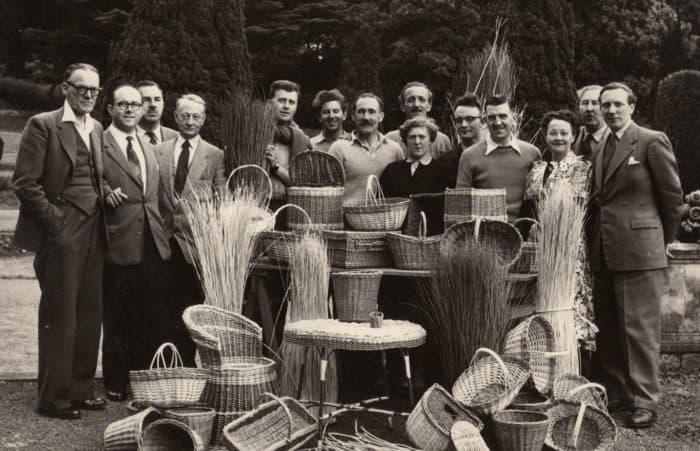
Barry Summer School
During the mid 20th century, The Glamorgan College of Education located in the town, was at the heart of the internationally renowned Barry Summer school.
Read More